



Unlocking Your Best Skin: A Deep Dive into Trending Skin Care Ingredients
The world of beauty is dynamic, ever-evolving with new discoveries and scientific advancements. For skincare enthusiasts and novices alike, keeping up with the latest Trending Skin Care ingredients can be both exciting and overwhelming. Beyond marketing hype, certain ingredients consistently rise to the top for their proven efficacy and transformative results. Understanding these powerhouse components is key to building a routine that truly works for your skin.
This guide will illuminate some of the most sought-after ingredients making waves in the beauty industry, helping you make informed choices for a radiant complexion.
The Science Behind the Glow: Why Ingredients Matter
Skincare isn’t just about luxurious textures or fragrant formulas; it’s about the active ingredients that interact with your skin at a cellular level. Each ingredient has a unique role, whether it’s hydrating, protecting, repairing, or brightening. Knowing what’s in your products empowers you to target specific concerns, from dryness and sensitivity to signs of aging and breakouts, leading to visibly healthier and more resilient skin.
Top Trending Skin Care Ingredients You Need to Know
Let’s explore the key players currently dominating the skincare scene.
Polyglutamic Acid (PGA): The Hydration Powerhouse
Often compared to hyaluronic acid but with an even greater capacity for moisture retention, Polyglutamic Acid (PGA) is a humectant that draws moisture from the air and locks it into your skin. It forms a breathable film that prevents transepidermal water loss, leaving skin plump, supple, and incredibly dewy.
Key Benefits:
- Superior hydration, often stated to hold 4-5 times more moisture than hyaluronic acid.
- Improves skin elasticity and reduces the appearance of fine lines.
- Enhances skin barrier function.
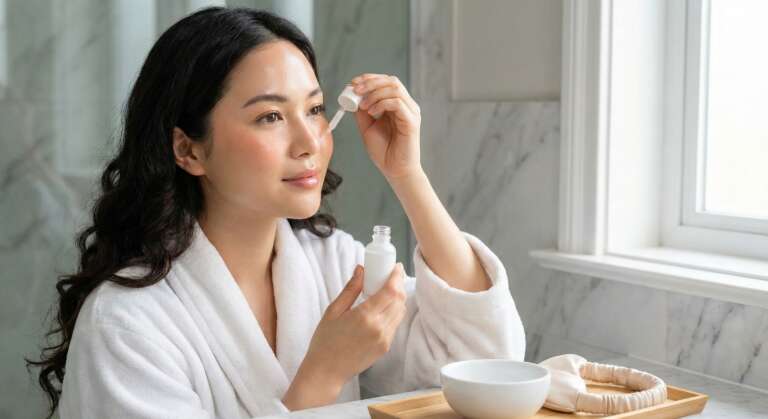
How to Use: Look for PGA in serums and moisturizers. Apply it to damp skin to maximize its hydrating effects, typically after cleansing and toning, but before heavier creams.
Cica (Centella Asiatica): The Soothing Healer
Originating from traditional Asian medicine, Cica, or Centella Asiatica, is a medicinal herb celebrated for its incredible healing and calming properties. It’s a go-to ingredient for sensitive, irritated, or compromised skin, earning its nickname “tiger grass” from tigers rubbing against it to heal wounds.
Key Benefits:
- Soothes inflammation and redness.
- Promotes wound healing and collagen production.
- Strengthens the skin barrier.
- Rich in antioxidants to protect against environmental damage.
How to Use: Cica is found in a wide range of products, including cleansers, toners, serums, and creams. It’s gentle enough for daily use, especially beneficial for post-treatment skin or during periods of irritation.
Squalane: The Emollient Superstar
Squalane is a hydrogenated form of squalene, a natural lipid produced by our own skin cells. As we age, natural squalene production decreases. Squalane, typically derived from olives or sugarcane, is a stable and non-comedogenic oil that mimics skin’s natural sebum, offering exceptional moisture without a greasy feel.
Key Benefits:
- Deeply moisturizes and softens the skin.
- Non-comedogenic and suitable for all skin types, including oily and acne-prone.
- Helps prevent moisture loss and improves skin elasticity.
- Antioxidant properties protect against free radical damage.
How to Use: Squalane often comes as a standalone oil or is incorporated into serums and moisturizers. It can be used morning and night as the last step in your routine to seal in moisture.
Ceramides: Your Skin’s Protective Shield
Ceramides are lipids (fats) that make up about 50% of the skin’s outer layer, acting as the “glue” that holds skin cells together to form a healthy skin barrier. A strong barrier is crucial for retaining moisture and protecting against environmental aggressors and irritants.
Key Benefits:
- Restores and strengthens the skin’s natural barrier.
- Prevents moisture loss and keeps skin hydrated.
- Protects against environmental damage and irritants.
- Reduces dryness, redness, and irritation.
How to Use: Ceramides are essential for everyone, particularly those with dry, sensitive, or aging skin. Look for them in cleansers, moisturizers, and barrier-repairing creams.


Leave a Comment